
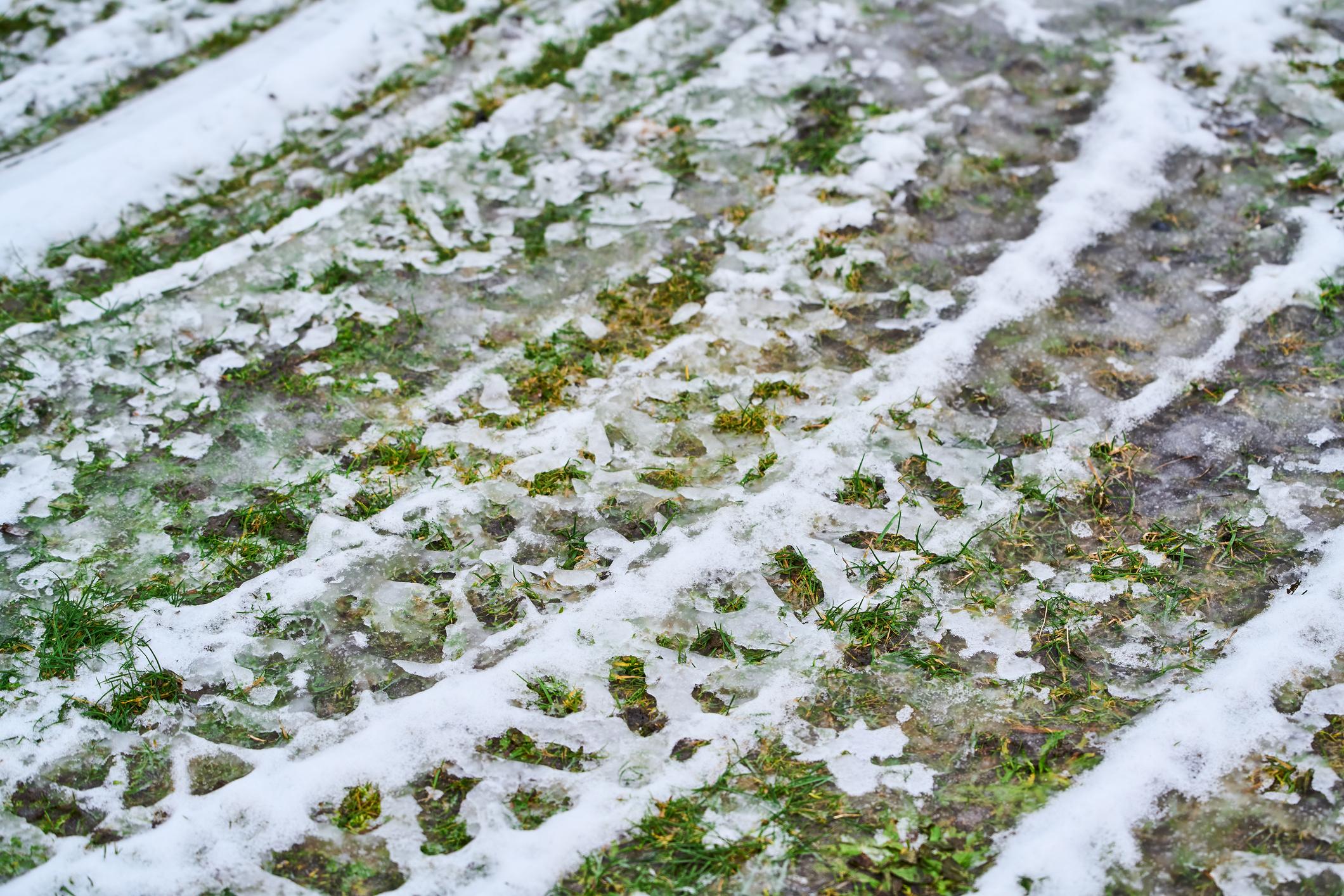
Winter lawn damage isn’t always caused by bitter cold. In Alberta, freeze–thaw cycles during unusually warm winters can be even more harmful to your lawn than consistently cold temperatures.
When daytime temperatures rise above freezing and drop again overnight, your lawn experiences repeated stress below the surface — often without homeowners realizing it until spring.
Understanding how freeze–thaw cycles affect your lawn — and what you can do right now — can help you avoid unnecessary damage and costly repairs later.
What Are Freeze–Thaw Cycles?
Freeze–thaw cycles occur when:
-
Daytime temperatures climb above 0°C
-
Overnight temperatures drop back below freezing
This pattern is common during Alberta winters, especially during warm spells in February and March.
While snow cover can help insulate turf, fluctuating temperatures cause the soil to repeatedly expand and contract, placing stress on grass roots and crowns.
Why Freeze–Thaw Cycles Are Harder on Lawns Than Cold Weather
Consistent cold allows grass to remain dormant and stable. Freeze–thaw cycles, however, create instability underground.
Here’s what happens:
-
Soil expands when temperatures rise
-
Soil contracts again when temperatures drop
-
Grass roots shift and loosen
-
Crowns (the growth point of the grass plant) become stressed or damaged
This stress weakens the lawn long before spring arrives.
Signs Freeze–Thaw Damage Can Cause in Spring
Damage from winter freeze–thaw cycles often shows up weeks later. Common spring issues include:
-
Slow or uneven green-up
-
Thin or bare patches
-
Increased weed pressure
-
Muddy or compacted areas
-
Poor response to fertilization
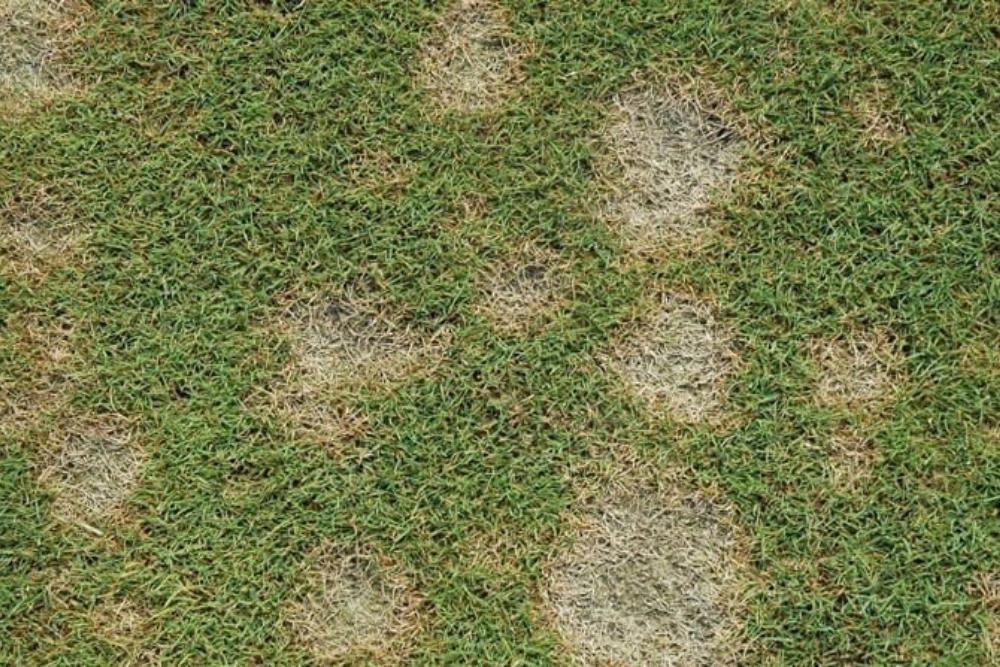
Many homeowners assume these issues are normal winter damage, but they are often preventable.
What Makes Freeze–Thaw Damage Worse?
Several common winter habits can significantly increase lawn damage:
🚶 Foot Traffic on Frozen or Thawed Grass
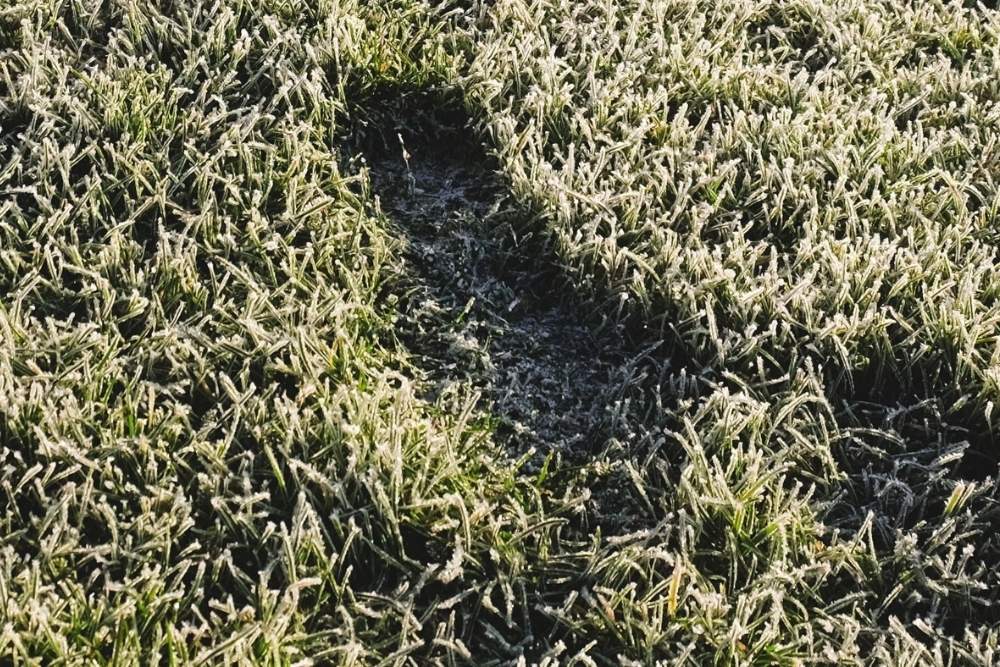
Walking on frozen or partially thawed lawns compresses soil and damages grass crowns.
🐾 Repeated Pet Traffic
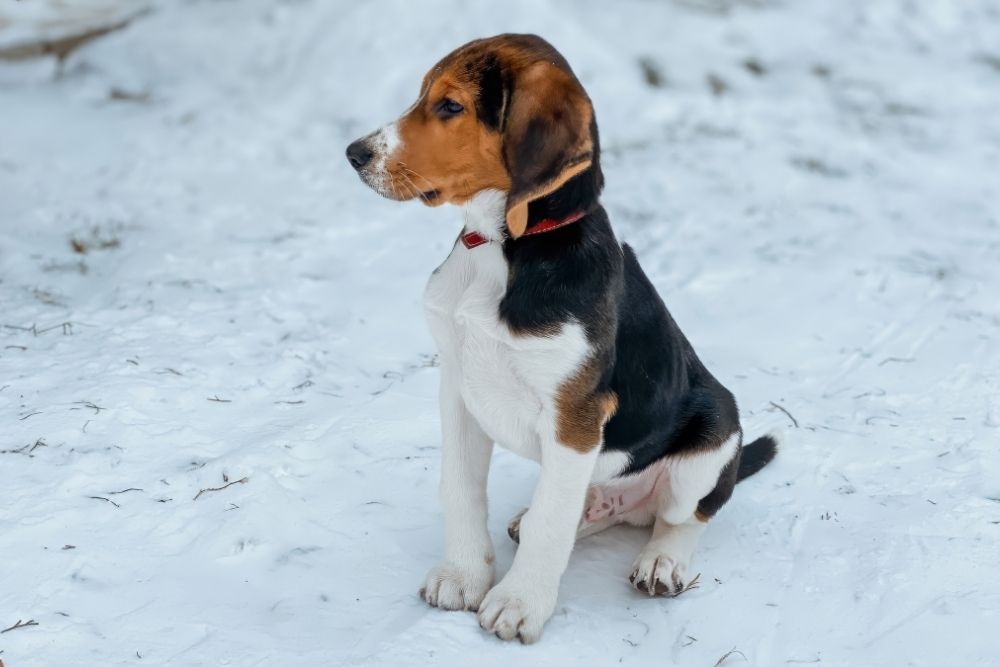
Pets using the same paths repeatedly can compact soil and weaken turf, especially during warm winter spells.
❄️ Piling Snow on the Lawn
Snow pushed from driveways and sidewalks often melts unevenly, creating excess moisture and compaction.
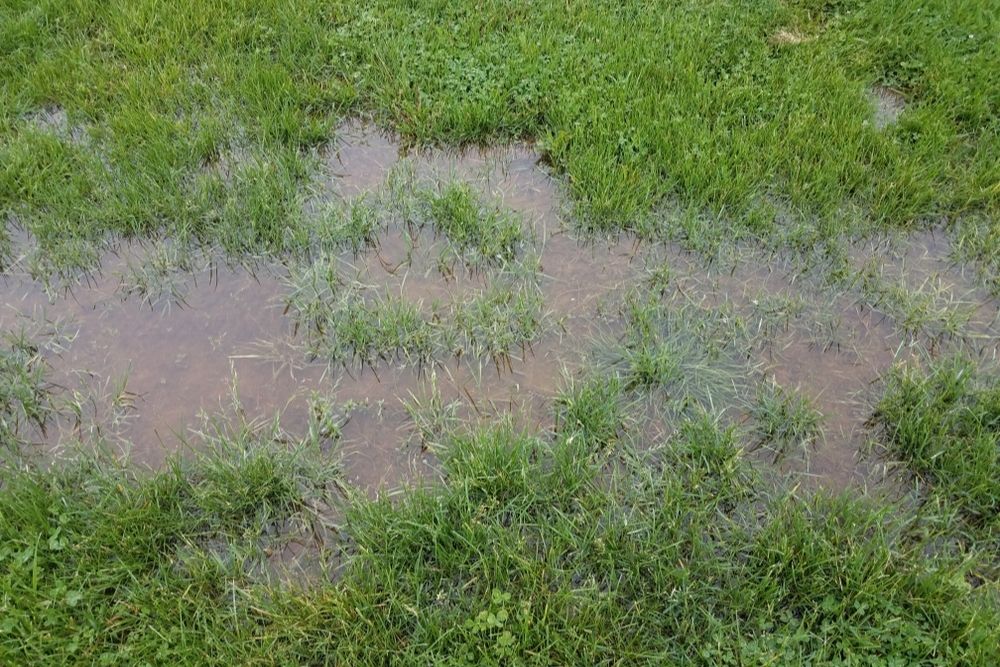
💧 Poor Drainage
Areas where water pools during warm spells are more vulnerable to root damage.
What You Can Do Now to Protect Your Lawn
Even in winter, there are simple steps homeowners can take to protect their lawn from freeze–thaw damage.
✅ Avoid Walking on the Lawn
Stick to sidewalks, pathways, and hard surfaces whenever possible — especially during thawing periods.
✅ Rotate Pet Paths
Encourage pets to use different areas of the yard to reduce repeated compaction.
✅ Watch Drainage Areas
Take note of spots where water pools during warm spells. These areas may need attention in spring.
✅ Avoid Piling Snow on Turf
Whenever possible, direct shoveled snow to non-lawn areas.
✅ Use Lawn-Safe Ice Melt
Traditional salt-based ice melt can damage turf and soil structure. Choose lawn-safe alternatives near grass.
Why Winter Lawn Care Matters in Alberta
Alberta’s climate is unique. Our lawns must survive:
-
Long winters
-
Rapid temperature swings
-
Freeze–thaw cycles
-
Dry spring conditions
That’s why thoughtful winter lawn care plays a major role in how your lawn performs during the growing season.
The healthier your lawn enters spring, the less repair it will need later.
Preparing for Spring Starts in Winter
February and early March are ideal times to:
-
Observe problem areas
-
Plan spring lawn care services
-
Schedule aeration and fertilization early
Lawns that receive proactive care after winter stress recover faster and resist weeds more effectively.
Final Thoughts: Protect Now, Repair Less Later
Freeze–thaw cycles are a hidden but powerful source of lawn damage in Alberta. While you can’t control the weather, you can control how much stress your lawn experiences during winter.
Small protective steps taken now can lead to:
-
Healthier turf
-
Faster spring recovery
-
Fewer bare spots
-
Less long-term maintenance
Protect now — and your lawn will thank you later.
Recent Comments