In Alberta, July brings sunshine, backyard BBQs—and a surge in summer lawn weeds. Even if your lawn looked great in spring, weeds like clover, thistle, and plantain can sneak in as temperatures rise, rainfall changes, or turf thins out.
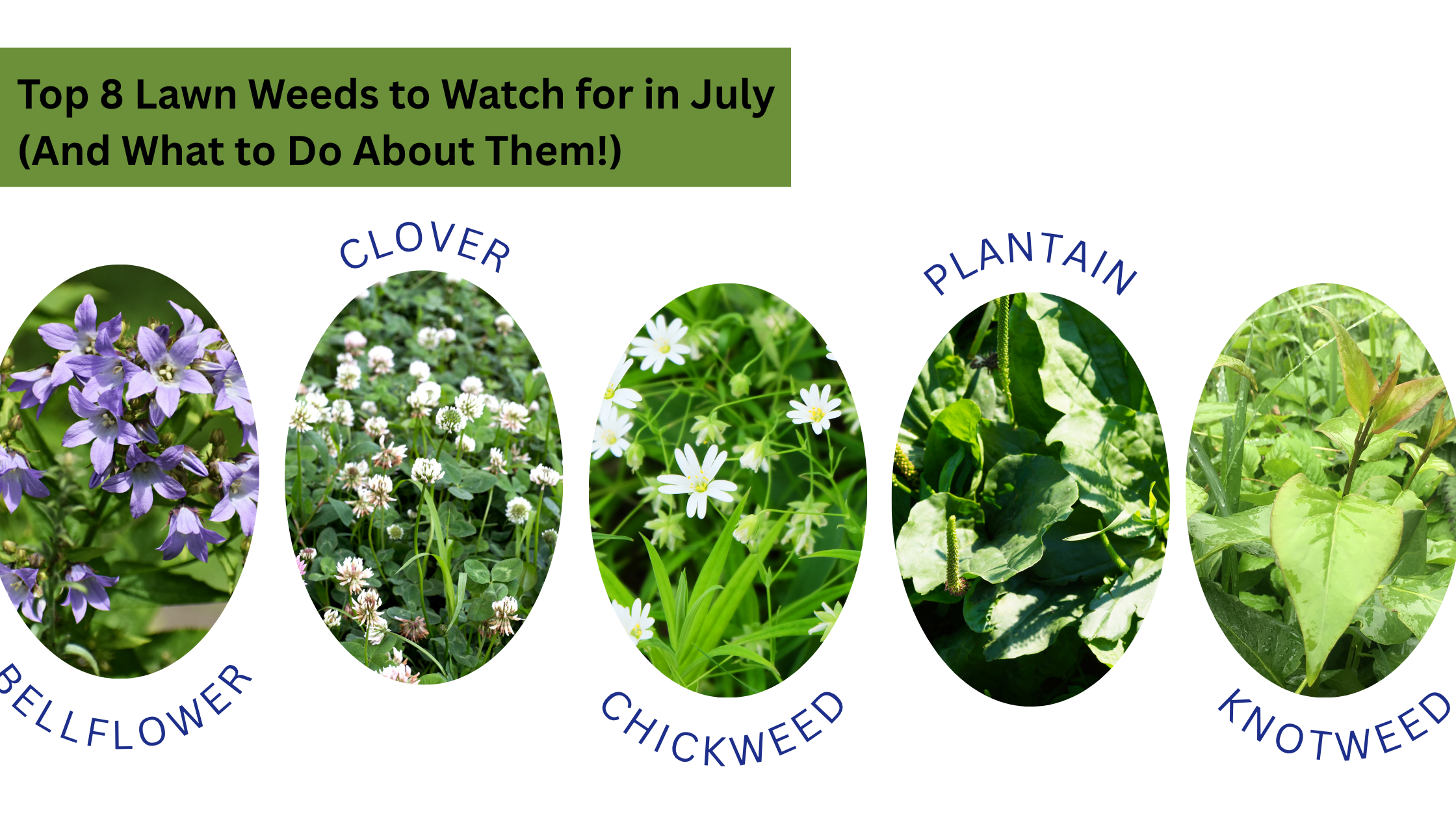
Below, we’ll cover 8 common lawn weeds you might see in July, how to recognize them, and what to do to control or eliminate them—whether you’re applying weed control yourself or using professional help.
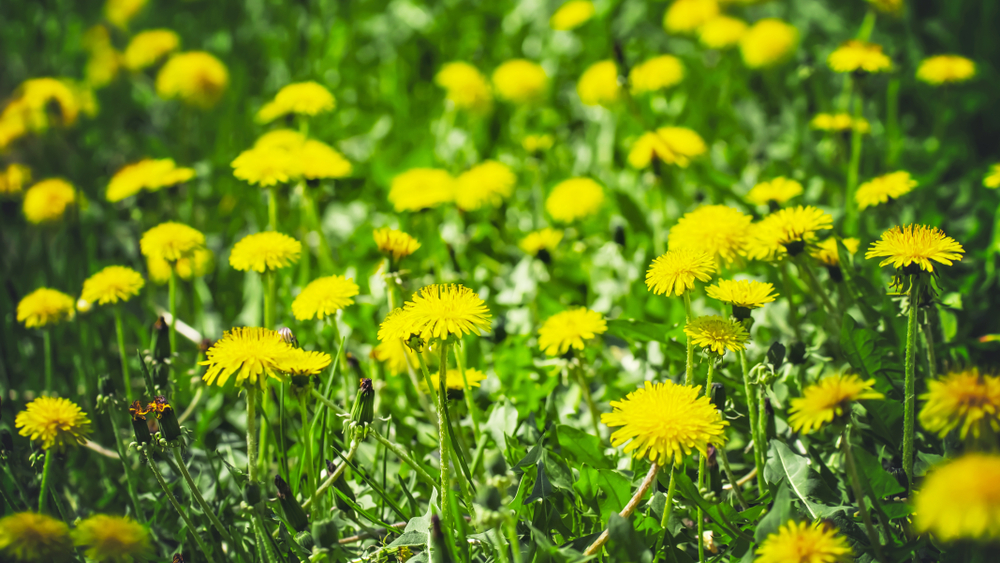
Dandelion
Probably the most recognizable lawn weed in Alberta, dandelions bloom early in the season but often return in midsummer.
What to do:
Spot-treat dandelions with a selective broadleaf herbicide or use a full-coverage weed control product if they’re widespread. Regular mowing won’t prevent regrowth unless the taproot is killed.
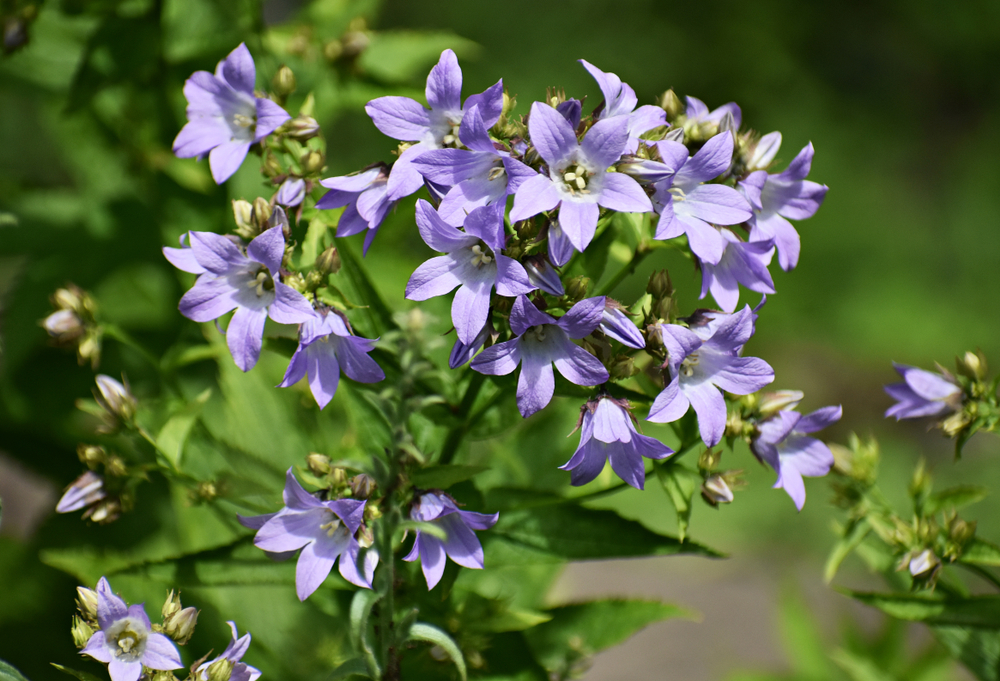
Creeping Bellflower
A pretty but aggressive invader, this weed produces tall purple bell-shaped flowers and spreads through roots and seeds.
What to do:
Hand-pulling is tricky—roots break off easily. Apply a systemic herbicide designed for perennial broadleaf weeds. Treat early before seed heads develop.
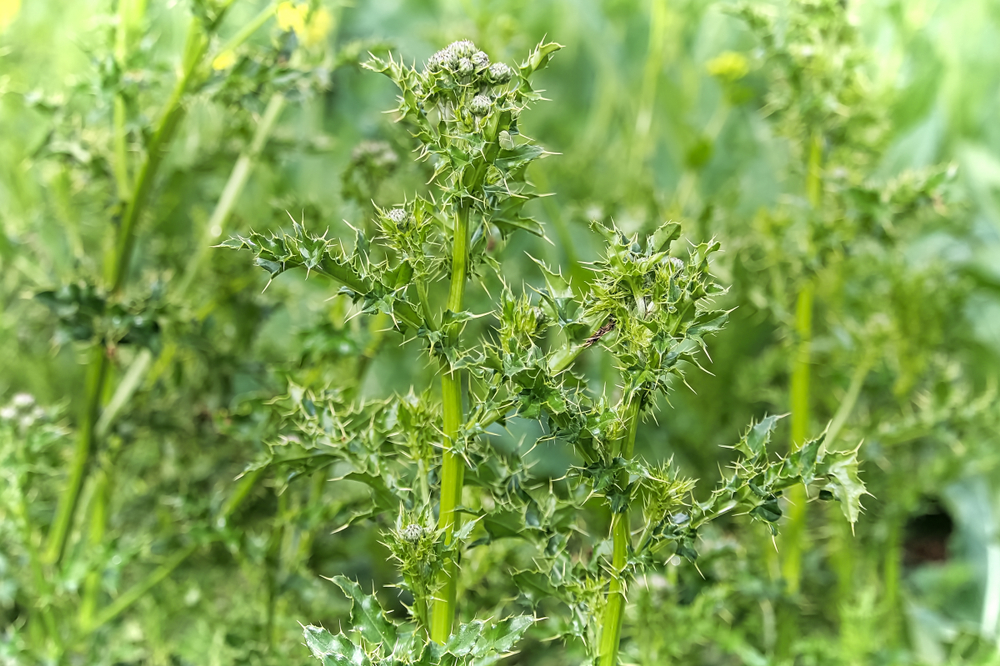
Canada Thistle
This spiny, fast-spreading perennial has purple flower clusters and deep underground roots. It’s listed as a noxious weed in Alberta.
What to do:
Use a post-emergent herbicide during active growth. Repeated applications are usually required. Thick, healthy turf will help prevent it from re-establishing.
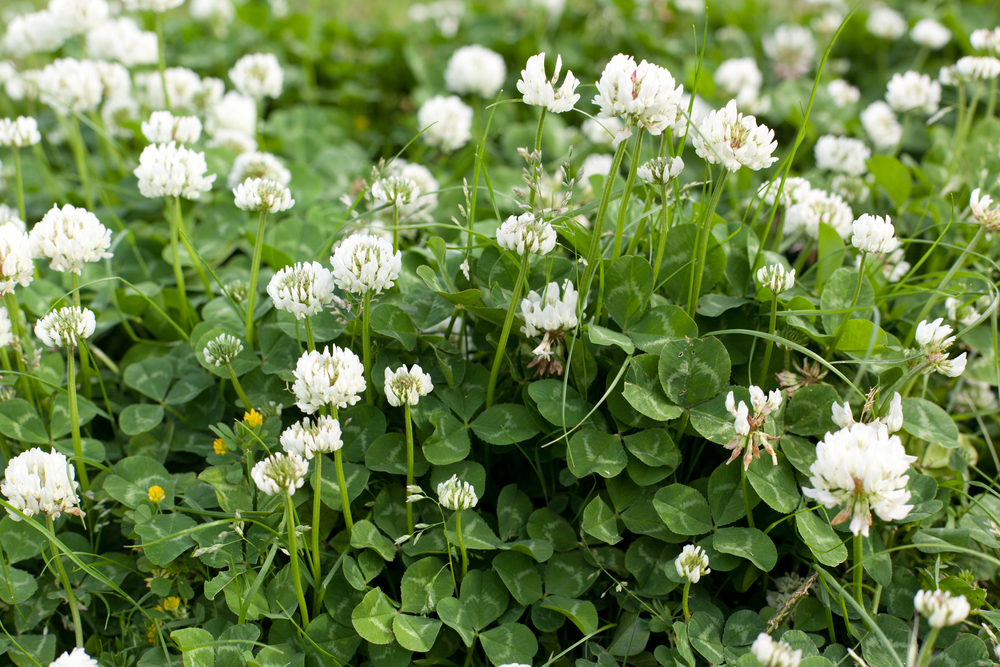
White Clover
Often confused with “healthy green ground cover,” clover thrives in underfed lawns and spreads quickly across thin grass.
What to do:
Fertilize your lawn to outcompete clover. Apply a weed-and-feed product that includes broadleaf control if needed.
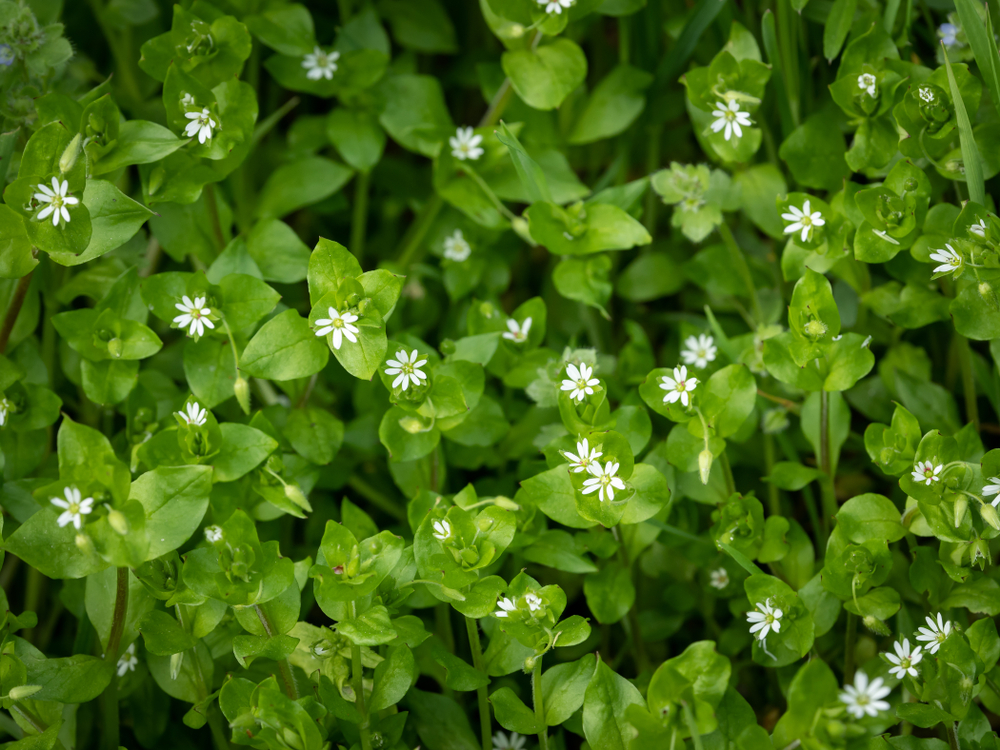
Chickweed
This cool-season weed can resurge in shady, damp areas. It grows in dense mats and can smother grass.
What to do:
Improve drainage and sunlight exposure if possible. Spot-treat or apply a full-lawn broadleaf treatment if patches are spreading.
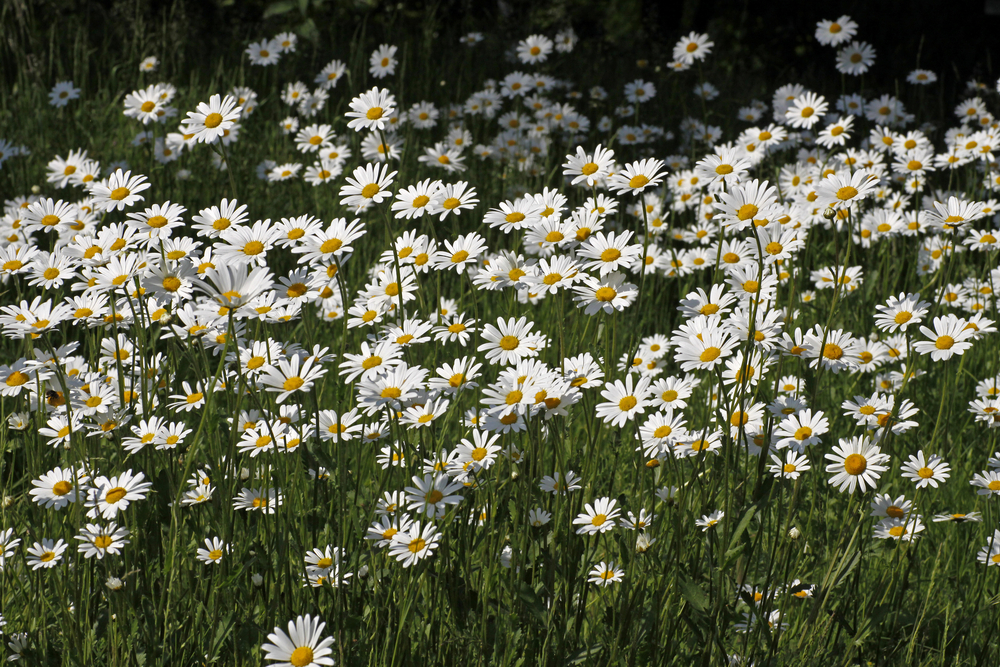
Oxeye Daisy
Though attractive, this noxious weed is invasive and spreads through both seed and roots.
What to do:
Don’t let it flower—mow or pull early. Use a broadleaf herbicide if it returns or is widespread.
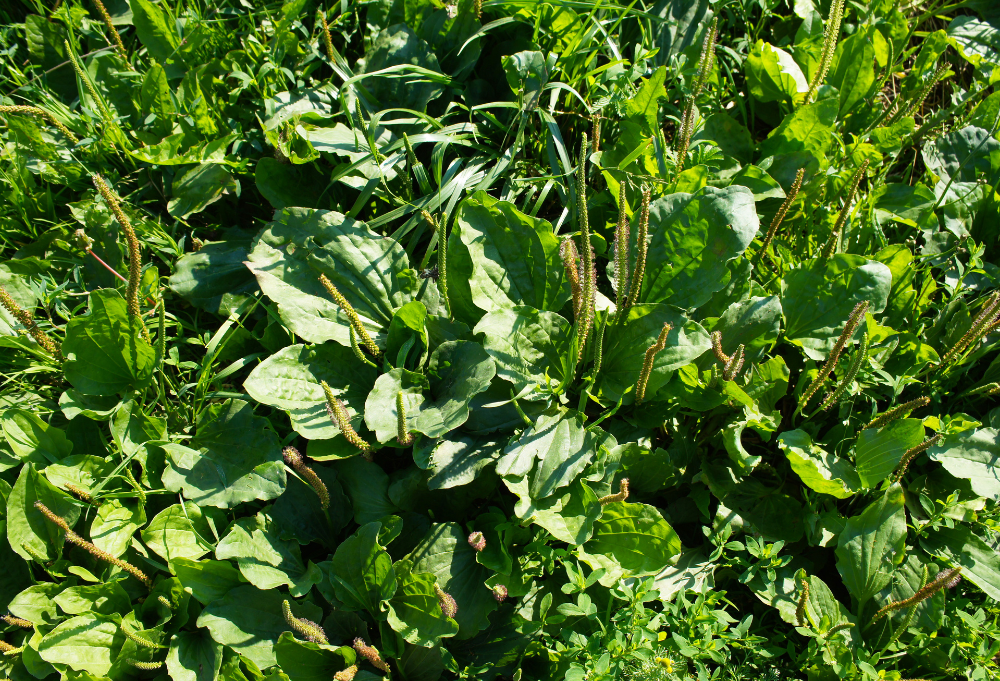
Broadleaf Plantain
A tough weed that hugs the ground, often found in compacted soil or near high-traffic areas.
What to do:
Apply a selective herbicide and aerate your lawn in the fall to reduce compaction.
Prostrate Knotweed
This wiry, spreading weed thrives in poor, compacted soil. Often found along sidewalks and driveways.
What to do:
Spot-treat with a post-emergent weed control. Loosen soil and re-seed thin areas to crowd it out.
How to Prevent Summer Weeds from Taking Over
Weed control isn’t just about killing weeds—it’s about creating an environment where they don’t want to grow in the first place. Here’s how to make your lawn more resistant to summer weeds:
1. Keep Your Lawn Thick and Healthy The best defence against weeds is a dense lawn. Thick grass shades the soil and crowds out weed seedlings. Mow high (2.5–3 inches) and don’t remove more than one-third of the grass blade at a time.
2. Fertilize Regularly Underfed lawns are more vulnerable to clover, dandelions, and other opportunistic weeds. Use a balanced lawn fertilizer that supports steady, healthy grass growth. If you don’t have time to fertilize your lawn, we can help! Learn about our lawn fertilizing services here.
3. Avoid Bare Patches Weeds often invade bare or thin areas. Overseed those patches in spring or late summer. Water consistently during germination.
4. Aerate Compacted Soil Compacted lawns are more likely to be overrun with plantain and knotweed. Core aeration improves soil structure and allows nutrients and water to reach grass roots. Learn about our core aeration service here.
5. Water Deeply and Infrequently Light, frequent watering promotes shallow roots and weed growth. Water early in the morning, once or twice a week, to about 1 inch total (including rainfall). Check out our blog for watering tips, “Lawn Watering Guidelines: Tips & Signs of Over & Underwatering“.
6. Use Spot-Treatments Wisely If you’re seeing only a few problem weeds, a selective weed killer applied directly to those patches is often enough. Don’t over-treat healthy areas.
DIY or Purchase-Ready Options
Whether you prefer to handle weed control yourself or purchase professional-grade fertilizer and weed control treatments, mid-summer is a great time to act. Choose products labeled for common broadleaf weeds and follow application instructions carefully.
If you’re not sure where to start, our team can recommend seasonally appropriate fertilizers and safe, effective weed control products suitable for Alberta lawns.

Recent Comments