When it comes to total weed removal, vegetation control (commonly known by brand names like Roundup®) is one of the most powerful tools available. Unlike selective herbicides used on lawns, vegetation control is non-selective—meaning it kills nearly everything green, including weeds and grass.
At Earth Smart Property Solutions, we use vegetation control treatments strategically in non-lawn areas where you want to eliminate all vegetation. If you’ve got weeds growing through cracks in concrete or along fence lines, this blog will show you what to expect and where it’s safe—and not safe—to use these treatments.
What Is Vegetation Control?
Vegetation control products are non-selective herbicides, often glyphosate-based, that kill most plants they come in contact with. These products are designed to eliminate:
- Annual and perennial weeds
- Grasses
- Broadleaf plants
- Unwanted brush or growth in hardscape areas
Where NOT to Use Vegetation Control
Vegetation control should never be applied to your lawn or near plants you want to keep. It will damage or kill any green plant it touches, including:
🚫 Lawns and turf areas
🚫 Around flowers, shrubs, or trees
🚫 Vegetable or garden beds
🚫 Near newly planted areas (unless carefully spot-applied)
Spray drift or accidental application on desired plants can result in browning, die-off, or permanent damage.
Where TO Use Vegetation Control Effectively
Vegetation control is ideal for areas where you want bare ground or complete elimination of plant growth. These include:
✅ Sidewalk cracks and driveway edges – Keeps pathways clear of weedy growth
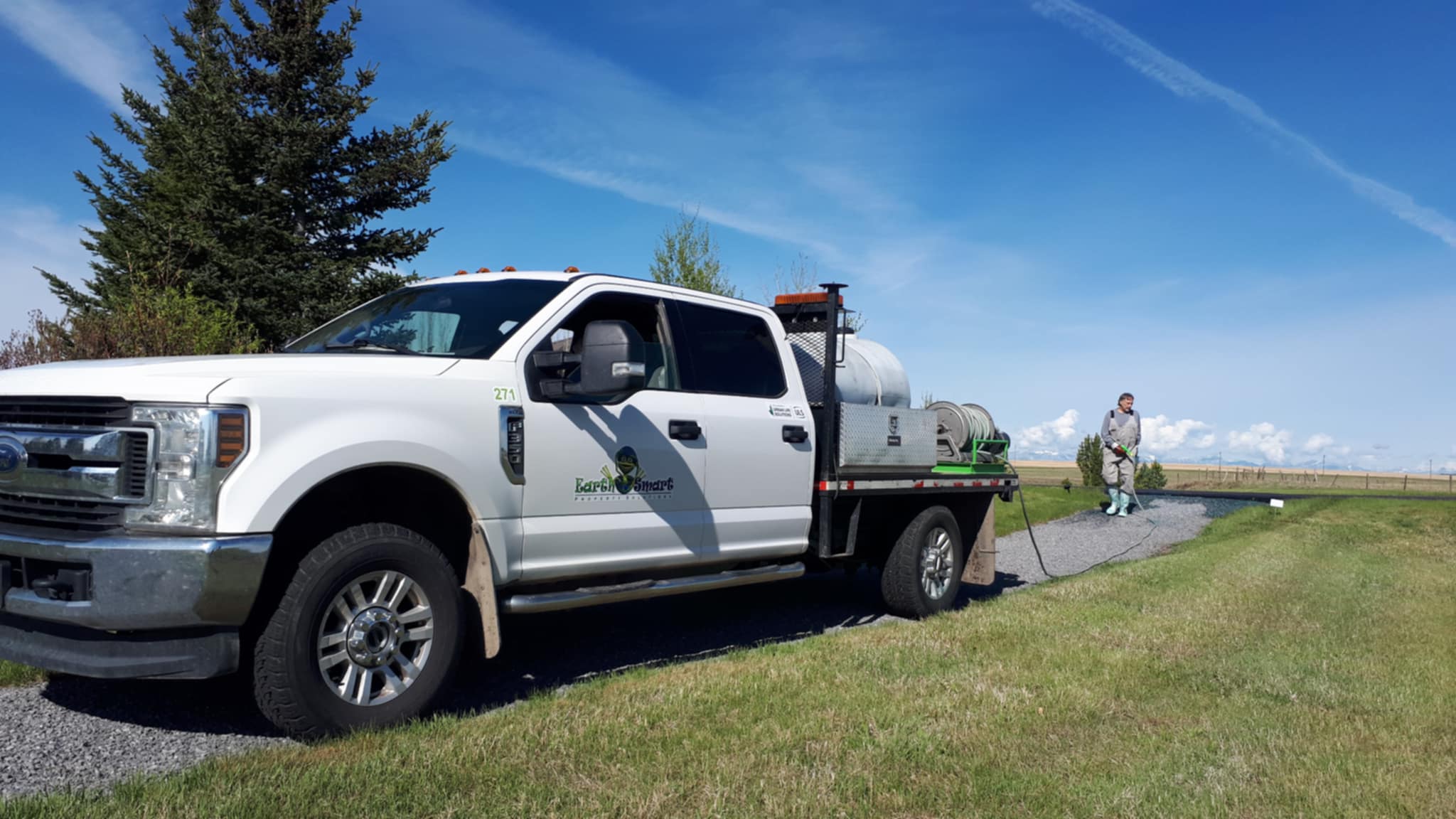
✅ Rock beds or decorative gravel landscaping – Stops weeds from poking through mulch or stone
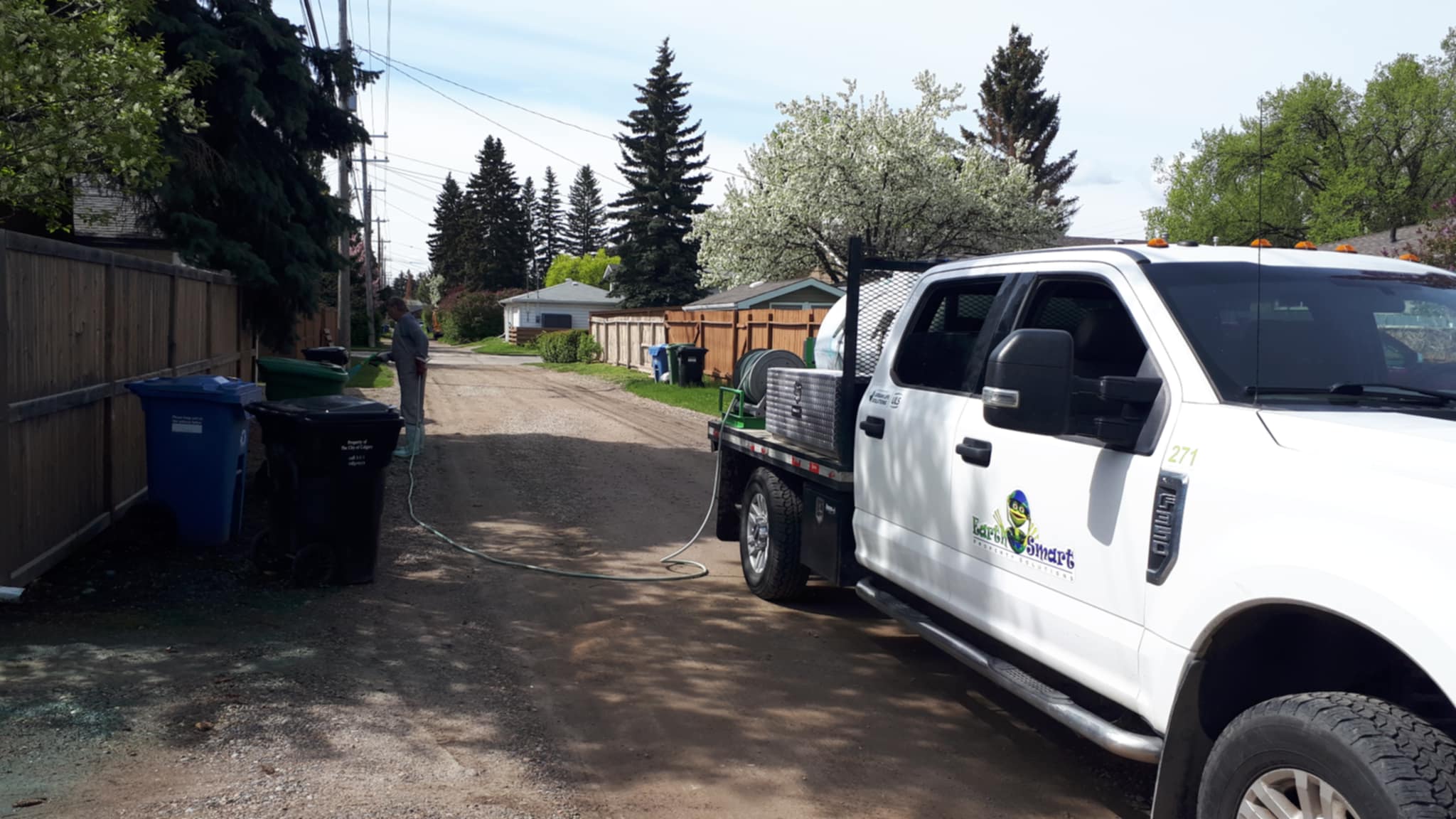
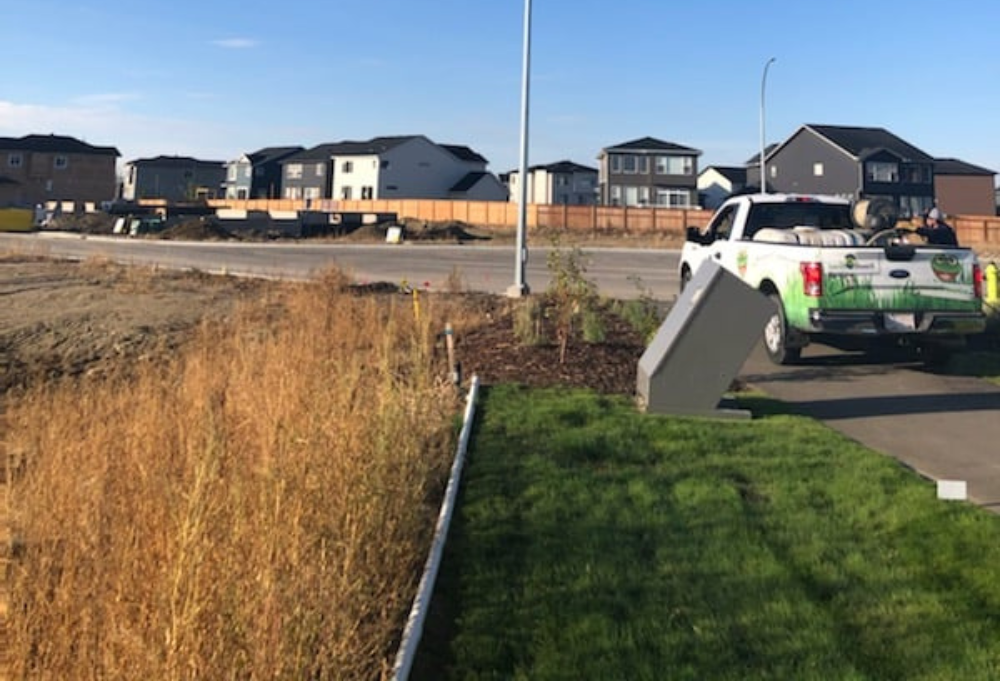
✅ Back alleys or fence lines – Controls growth behind garages, along garbage bins or sheds
✅ Around storage yards or industrial areas – Maintains clean, weed-free zones
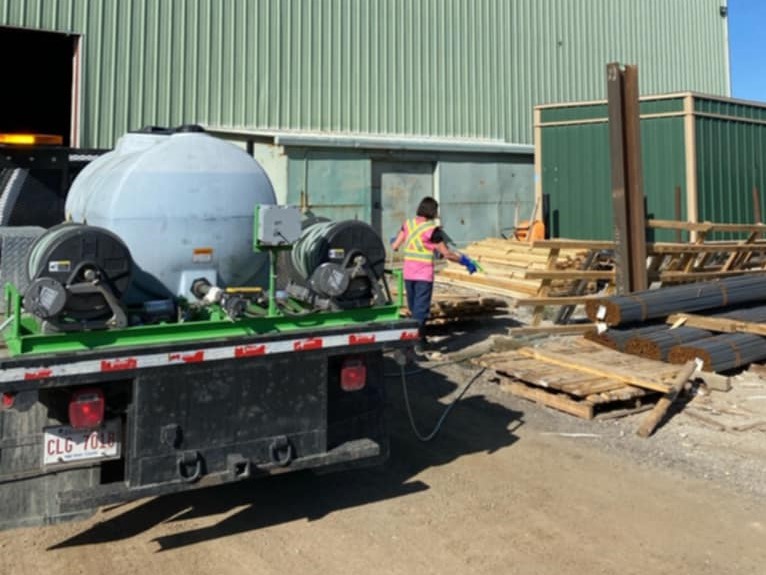
✅ Gravel parking pads – Keeps them functional and low maintenance
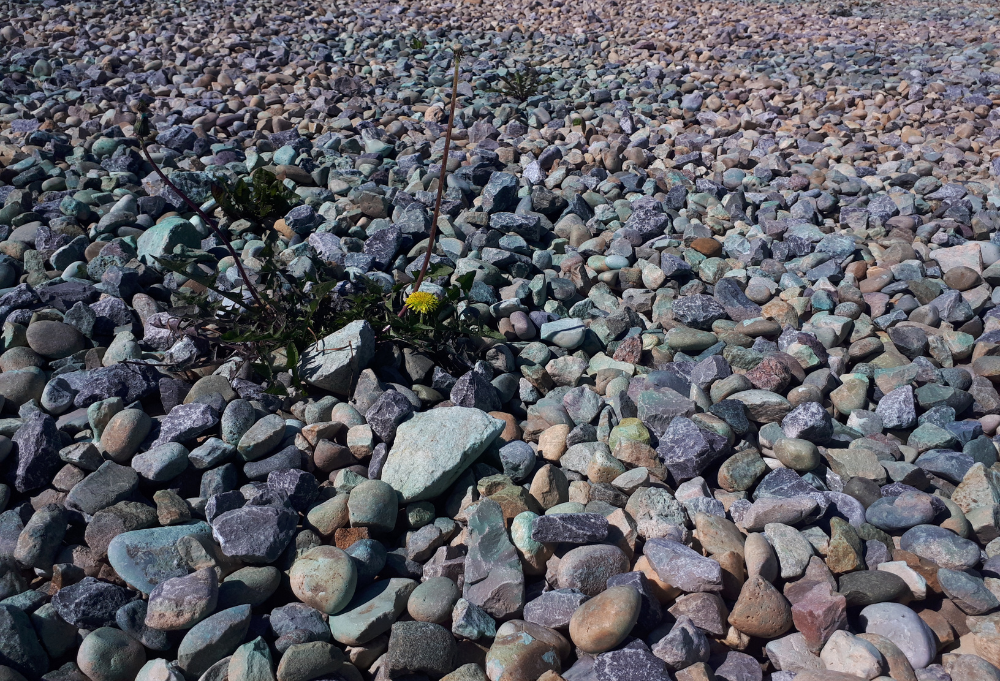
These areas benefit from total vegetation kill and help maintain a neat, professional appearance.
What to Expect After Application
Day 0: The Day of Spraying
- No immediate change
- Product begins to absorb through the leaves
Day 1–3: Early Signs
- Leaves begin to wilt or curl
- Discolouration (yellowing) starts at the leaf edges
Day 7: Visible Damage
- Most vegetation turns brown or yellow
- Growth stops completely
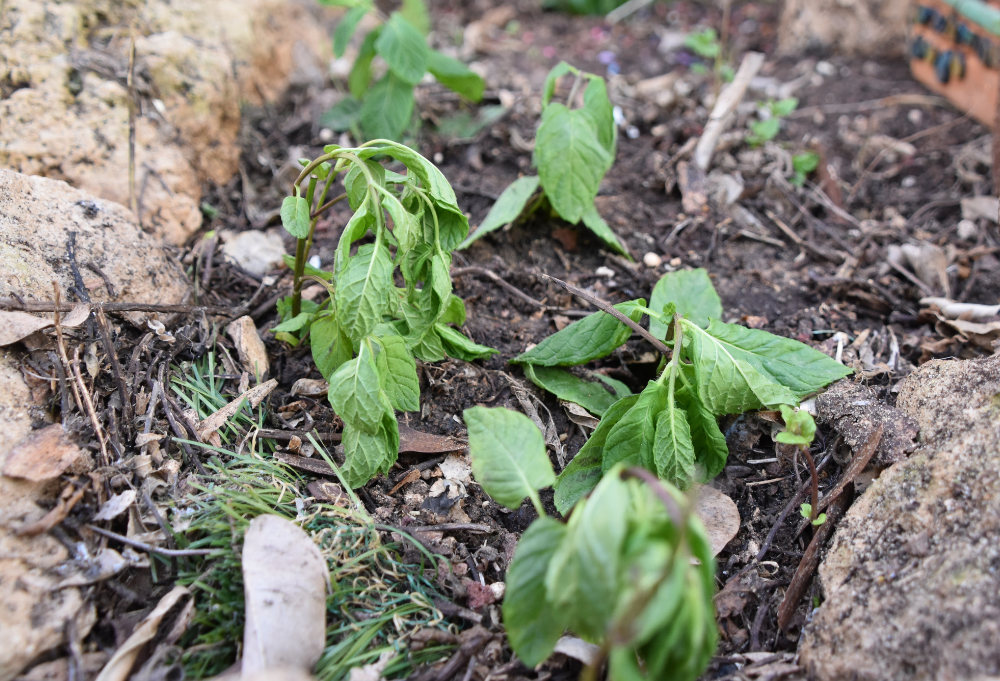
Day 10–14: Full Kill
- Plants are dry, crispy, and dead
- Weeds can be left to decompose or removed manually
How Long Does It Last?
Vegetation control products do not prevent future growth unless a long-lasting residual is used. Standard glyphosate products kill existing growth but don’t stop new weeds from sprouting. For longer-term bare ground control, we offer options with residual activity that can suppress regrowth for up to several months—ideal for rock beds, gravel, and fence lines.
Safety and Tips
- Keep people and pets off treated areas until fully dry (usually within a few hours)
- Do not mow or disturb the area for 48 hours post-treatment
- Avoid application before rain to prevent runoff and reduced effectiveness
- Spot-spray only in targeted areas to avoid unnecessary environmental exposure
Maintaining a Weed-Free Property
Vegetation control is a powerful solution when used properly. For best results:
- Combine with routine maintenance and inspections
- Reapply as needed during the growing season (especially in alleys or rocky areas)
- Don’t use on windy days to prevent drift
Need Help Controlling Weeds in the Right Places?
We offer both selective weed control for lawns and non-selective vegetation control for sidewalks, rocks, alleys, and more. Our technicians are trained to apply products safely and precisely—so you get clean results without damaging what you want to protect.
 Contact us today to schedule your vegetation control service and keep your non-lawn areas neat and weed-free all season long.
Recent Comments