
Have you noticed your lawn growing faster than ever this summer?
While plenty of rain helps keep grass green, too much moisture can create a completely different set of challenges. Wet weather encourages weeds, slows drying, increases the risk of lawn diseases, and can even damage your lawn if it’s mowed too soon.
The good news is that a few simple lawn care practices can help your lawn stay healthy while the rainy weather continues—and recover quickly once drier conditions return.
Wet weather isn’t the only challenge Alberta homeowners face. If you’d like more seasonal lawn care advice, check out our guide to “Top Lawn Problems in Alberta Summer & How to Fix Them“.
Here’s what every Alberta homeowner should know.
Why Wet Weather Changes Your Lawn
Rain provides moisture your lawn needs to grow—but prolonged wet conditions change how your lawn behaves.
During extended rainy periods you may notice:
- Grass growing much faster than usual
- More weeds appearing throughout the yard
- Mushrooms popping up overnight
- Soft, muddy areas
- Slower lawn recovery after mowing
- Moss beginning to develop in shaded locations
While most of these are temporary, they can quickly become bigger problems if the lawn isn’t cared for properly.
Can You Mow Wet Grass?
One of the most common questions we receive is:
“Can I mow my lawn after it rains?”
The short answer is:
It’s best to wait if you can.
Mowing a wet lawn can:
- Leave an uneven cut
- Cause grass clippings to clump together
- Create wheel ruts in soft soil
- Compact the ground around the roots
- Spread fungal diseases more easily
- Smother healthy grass with wet clippings
A little patience can prevent a lot of damage.
How Dry Should Your Lawn Be Before You Mow?
A simple rule of thumb:
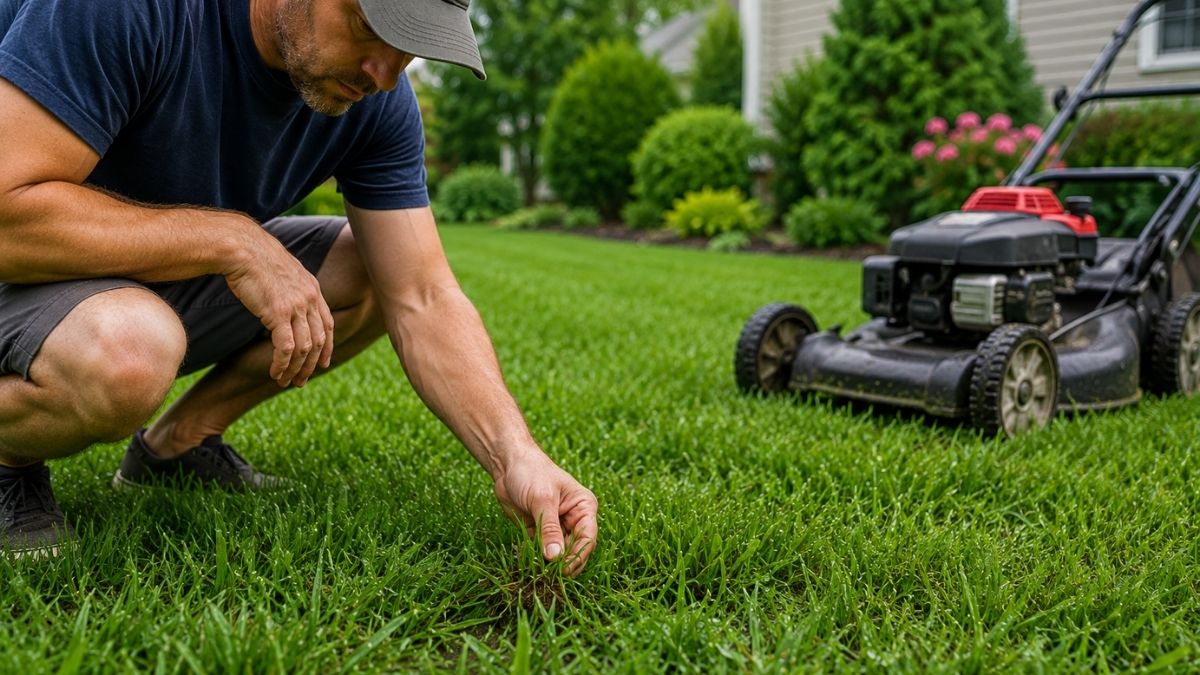
If your shoes leave deep footprints or the lawn feels soft and spongy underfoot, it’s still too wet.
Ideally, wait until:
- There is no standing water
- The grass blades are mostly dry
- The soil feels firm under your feet
- Your mower won’t leave ruts behind
If the lawn is only slightly damp, mowing is usually fine.
If it’s soggy, give it another day or two.
Should You Still Water Your Lawn?
We apologize if this one is obvious, but just in case you’re not sure … probably not.
One of the biggest mistakes homeowners make during rainy periods is continuing their normal watering schedule.
If your lawn has received approximately 25 mm (1 inch) of rain during the week, Mother Nature has likely done the watering for you.
Overwatering can:
- Suffocate grass roots
- Encourage fungal diseases
- Promote weed growth
- Waste water
Monitor rainfall before turning on the sprinklers.
Why Are Weeds Suddenly Everywhere?
Rain doesn’t just help your grass—it also helps weeds.
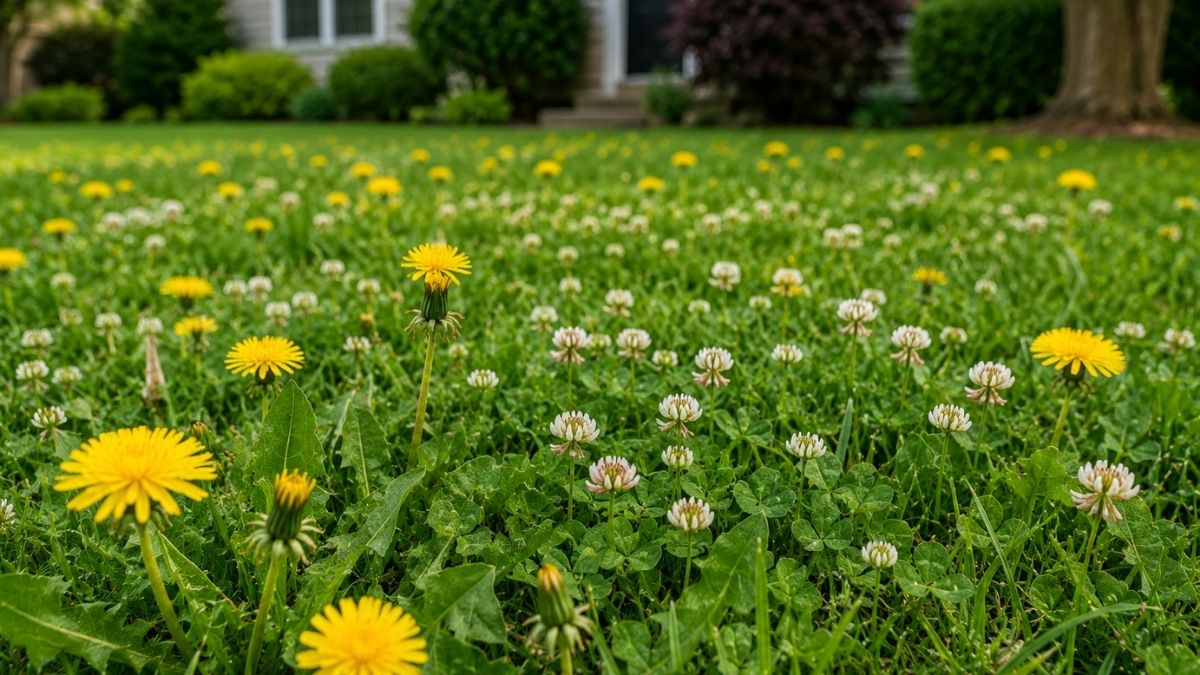
Many common Alberta weeds thrive in moist conditions, including:
- Dandelions
- White Clover
- Plantain
- Chickweed
- Creeping Bellflower
Because weeds often grow faster than healthy turf, they can quickly spread across your lawn after several rainy weeks.
Regular weed control and maintaining a thick, healthy lawn remain your best defence. Need help with your lawn? We can help. Check our our Weed Control & Lawn Fertilizer services available in Calgary, Red Deer and close surrounding communities.
Why Are Mushrooms Growing in My Lawn?
Finding mushrooms after several days of rain is actually quite common.
Mushrooms appear when fungi break down organic material beneath the soil surface.
In most cases they are:
- Harmless
- Temporary
- A sign of excess moisture
As conditions become drier, most mushrooms disappear on their own.

When Should You Be Concerned?
While most lawns recover naturally, prolonged wet conditions can sometimes create more serious problems.
Watch for:
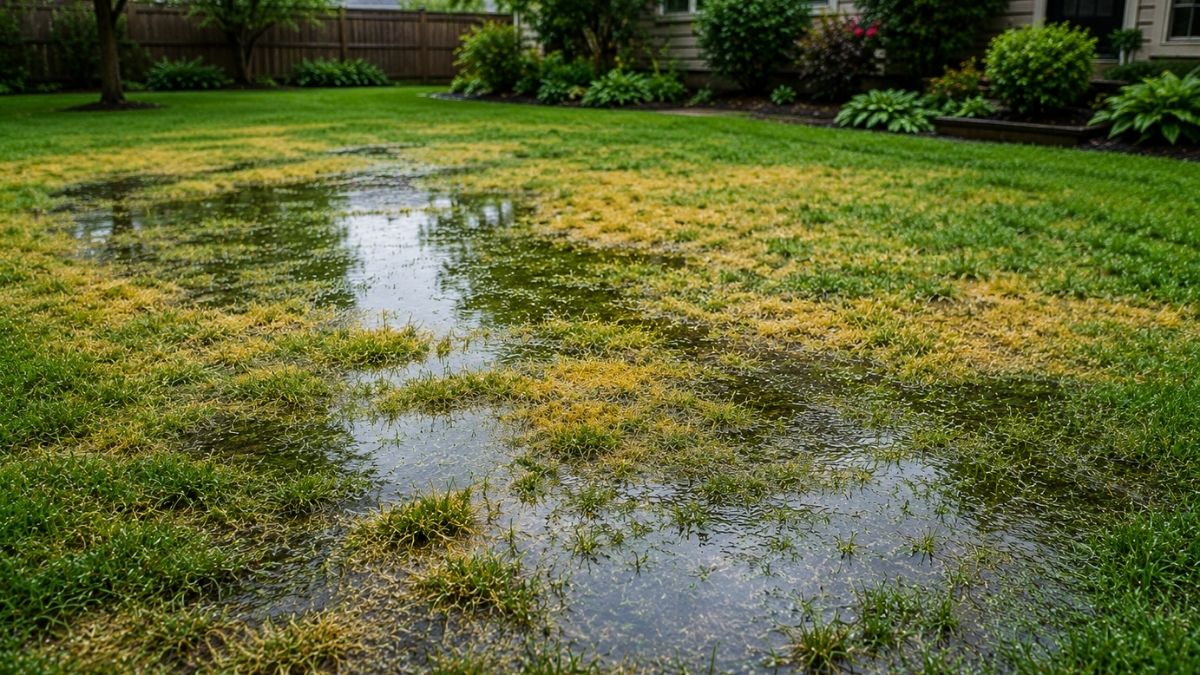
- Standing water lasting more than two days
- Yellow or brown patches developing
- Slimy or matted grass
- Strong musty odours
- Large bare areas
- Signs of fungal disease
If these problems continue after the weather improves, professional lawn care may be beneficial. Please feel free to contact our team if you have any questions.
Five Tips for Keeping Your Lawn Healthy During Wet Weather
- Wait until the lawn is reasonably dry before mowing.
- Raise your mower height slightly to reduce stress.
- Skip watering if nature has already provided enough moisture.
- Remove heavy clumps of wet grass clippings.
- Control weeds before they have a chance to spread.
Small adjustments now can help your lawn recover faster when warmer, drier weather returns.
Frequently Asked Questions
Can mowing wet grass damage my lawn?
Yes. Mowing a wet lawn can leave ruts, compact the soil, spread fungal diseases, and create clumps of grass that smother healthy turf. Whenever possible, wait until the grass blades are mostly dry and the soil feels firm underfoot before mowing.
How long should I wait to mow after it rains?
It depends on how much rain has fallen and how quickly your lawn drains. As a general rule, wait until the grass is dry and your footsteps don’t leave deep impressions in the soil. This may take anywhere from a few hours to a couple of days.
Is standing water bad for my lawn?
Temporary puddles usually aren’t a concern, but standing water that remains for more than 48 hours can reduce oxygen around the roots and increase the risk of disease or yellowing. Poor drainage may require additional lawn care or landscaping solutions.
Will my lawn recover after too much rain?
In most cases, yes. Healthy lawns typically recover once warmer, drier weather returns. Proper mowing, fertilization, and weed control will help your lawn bounce back more quickly.
Should I water my lawn after several rainy days?
Probably not. Before watering, check how much rain your lawn has received. If Mother Nature has already provided plenty of moisture, allow the soil to begin drying before turning on your sprinklers again.
Why are mushrooms suddenly growing in my lawn?
Mushrooms often appear during prolonged wet weather as fungi break down organic matter in the soil. They’re usually temporary and harmless, disappearing as conditions become drier.
Earth Smart Property Solutions Can Help
Keeping a lawn healthy during a wet summer doesn’t have to be difficult.
Our team provides professional lawn care services designed specifically for Alberta conditions, including:
If too much rain has left your lawn looking unhealthy, our team can help restore it with professional lawn care services tailored to Alberta conditions.
Recent Comments